How Deleted Comments and Hidden Replies Change the Meaning of a Social Media Discussion
Have you ever scrolled through a comment section on Naver News or YouTube where everyone seems to agree perfectly, but the replies beneath a [Deleted comment] look incredibly angry and out of place? When you read a discussion thread, your brain naturally tries to piece the conversation together. But why does the flow of the conversation often feel broken?
A comment section is rarely the full truth. What you see on your screen is heavily filtered. Through self-deleted posts, maliciously edited texts, and AI filters like Naver’s CleanBot, the original meaning of a discussion can be entirely manipulated. This creates a false sense of public consensus and distorts how we perceive controversies.
This guide explains how comment manipulation works in Korea’s digital ecosystem and shows you how to read between the lines to uncover the original context of a conversation.
How hidden replies create a false sense of agreement
Social media platforms and content creators frequently hide opposing views to maintain a specific image or shape public opinion. When critical voices are silenced, the visible comments project a deceptive illusion of total agreement.
The role of Naver CleanBot and YouTube creator filters
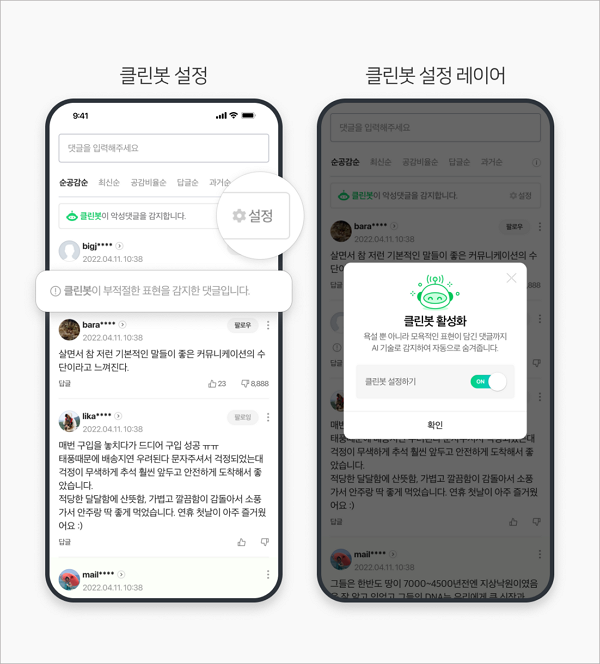
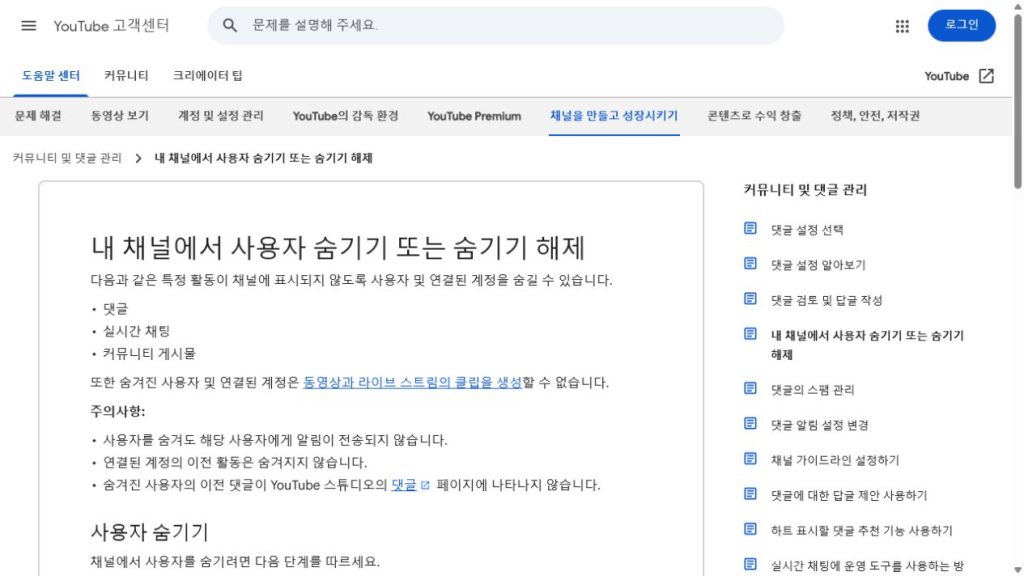
Many Korean portals employ AI moderation. Naver’s CleanBot (클린봇), for example, automatically hides comments containing profanity or aggressive slang. Similarly, YouTube allows creators to use the “Hide user from channel” feature to silently ban critics.
While these tools reduce spam, they inadvertently erase valid criticisms. When critical counter-arguments are buried by AI filters or creator bans, it creates an echo chamber (에코체임버). A new reader visiting the page will look at the remaining highly-upvoted positive comments and mistakenly assume that 100% of the public agrees with the content.
Burying context under “View more replies”
Platform user interface (UI) design also shapes opinions. Critical counter-arguments are often pushed down into the “View more replies” (답글 더보기) section. Because lazy readers rarely click to expand these collapsed sections, they only consume the supportive comments visible at the top level. This structural hiding prevents the dissenting narrative from ever reaching the average reader.
The “edited” trick: Changing the story after getting replies
One of the most manipulative tactics used on anonymous Korean forums is editing the original comment to change its context. This is designed to frame the people replying as unreasonable bullies.
How trolls use the “Edited” (수정됨) tag to play the victim
Imagine a common scenario on an anonymous app like Blind (블라인드): A user posts a highly aggressive or controversial comment. Other users immediately flood the thread with angry, defensive replies. Once the trap is set, the original poster quietly edits their comment into something completely polite and innocent.
Why this breaks the flow of the conversation
This manipulation breaks the conversational flow entirely. A new reader entering the thread will see a polite, innocent comment followed by twenty people screaming at the author. The responders are left arguing against a statement that is no longer visible, making them look crazy or aggressive. To avoid falling for this trap, you should always check for the “(Edited)” (수정됨) timestamp next to a comment’s username before judging the replies below it.
Guessing the original context from deleted comments
When a controversial comment disappears, it leaves behind a gap in the conversation. However, you can often decode what was erased by analyzing the digital footprint it left behind.
The meaning behind the [Deleted comment] placeholder
On Korean portals, a missing comment is not entirely invisible. It is replaced by a placeholder tag. It is crucial to distinguish between a comment the author deleted out of embarrassment (본인이 삭제한 댓글) and a comment forcefully removed by the platform’s administrators for violating community guidelines (규정에 의해 삭제된 댓글). The latter usually indicates a severe breach of rules or a legal takedown.
Reading “orphaned replies” to decode the missing text
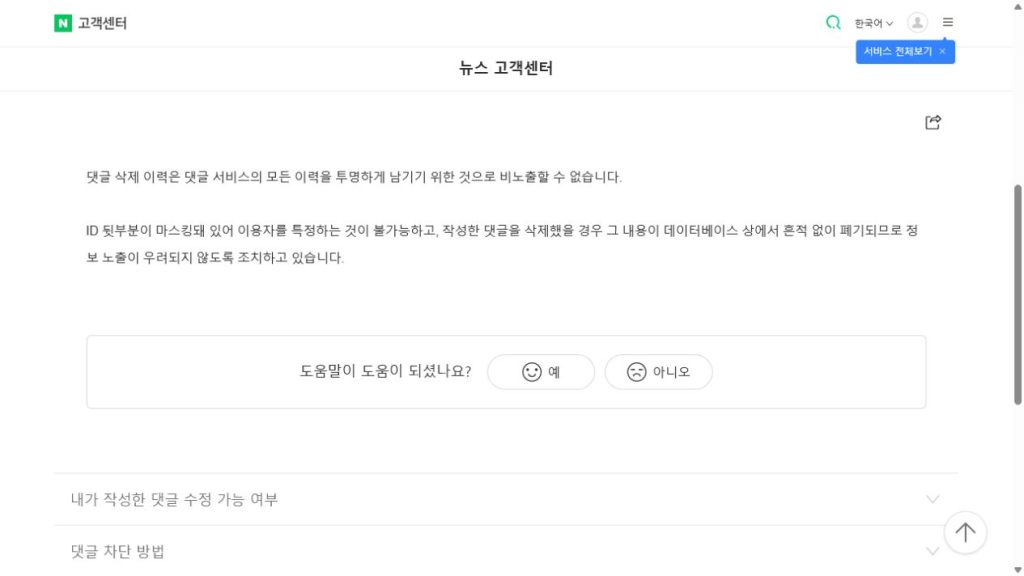
When a parent comment is deleted, the replies attached to it usually remain visible. These surviving responses are called “orphaned replies.” By reading the orphaned replies below the [삭제된 댓글입니다] placeholder, you can reverse-engineer the deleted content. If five orphaned replies say, “How dare you insult the victim’s family,” you can easily guess the malicious nature of the original erased text.
How to save digital evidence before a discussion gets deleted
In Korea’s fast-paced internet culture, controversial statements disappear within minutes. To protect yourself in a debate, you must preserve the evidence before it is erased.
The culture of “Bakje” (박제)
In Korean internet slang, the term 박제 (literally meaning “taxidermy”) refers to taking a permanent screenshot of a controversial post or comment before the author has a chance to delete or edit it. This culture emerged as a defense mechanism against trolls who constantly manipulate their words to avoid accountability.
Using screenshots for heated debates
If you are engaging in a heated debate on an anonymous forum like DC Inside or Blind, do not rely on the platform to preserve the discussion. Take a full scrolling screenshot of the entire thread context before you post your reply. By archiving the exact wording of your opponent’s original argument, you ensure you have undeniable proof if they later try to edit their comment and manipulate the narrative.