Card Detail Requests on Fake OTT Free Trial Pages
Fake streaming promotions often copy the branding of services such as Netflix, Spotify, Disney+, or HBO Max. The page may promise free premium access, an exclusive trial, or a heavily discounted subscription before asking for a card number, expiration date, and CVV/CVC.
A card request does not prove that a page is fraudulent. Legitimate services may collect a payment method before starting a free trial because the subscription will renew when the trial ends. Card-network rules require participating merchants to disclose important terms such as the trial period, future price, billing frequency, and cancellation procedure.
The real question is whether the offer comes from an authorized service and clearly explains what will happen after registration. Netflix, for example, currently states that it does not offer free trials. A page advertising a general “Netflix free trial” should therefore be treated as inconsistent with Netflix’s own offer unless it is part of a separately verified partner promotion.
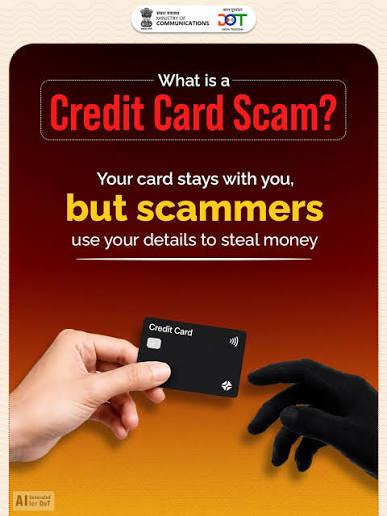
Why Do Fake OTT Pages Demand Your Credit/Debit Card Details?
Fraudulent pages may request payment information for several purposes.
Stealing Card Credentials for Unauthorized Transactions: A card number, expiration date, cardholder name, and security code may be enough to attempt online purchases. Whether another authentication step is required depends on the merchant, issuer, payment network, country, and fraud controls.
Scammers cannot always “drain a credit limit within seconds,” but they may attempt several purchases, sell the details, or test whether the card is active. The card issuer may block some transactions, but fraud detection is not guaranteed to stop every attempt.
Creating Deceptive Recurring Charges: Some pages hide the renewal price, billing frequency, or cancellation terms in small print. Others may submit an unauthorized charge after the visitor enters card information.
A person is not normally enrolled merely because a script exists on the page. The risk arises when the visitor submits payment details or approves a misleading transaction. The FTC advises consumers to review the company, trial duration, post-trial price, cancellation method, and preselected options before accepting a free trial.
Collecting Information for Further Fraud: Card data may be combined with an email address, phone number, password, billing address, or other information. Criminals can use personal and financial information to make purchases, impersonate the victim, or attempt to open accounts in the victim’s name.
Immediate Risks When Entering Card Details on a Fake Free Trial Page
Unauthorized Charges: Scammers may first attempt a small transaction to see whether the card works, but this pattern is not universal. Some fraudulent charges begin with a larger amount, while legitimate merchants may also use a temporary authorization hold.
Unexpected Recurring Billing: A deceptive page may describe a transaction as free while placing the user into a paid subscription. The statement descriptor may also differ from the brand shown on the website, making the charge harder to recognize.
Account Takeover: If the page also requests an email password, streaming password, banking password, or one-time verification code, the attacker may try to access other accounts. The danger increases when the same password is reused across several services.
Identity Theft: A card number alone is usually not enough to obtain a loan. The risk becomes greater when the user also provides identification details, government numbers, date of birth, address, or access to an email account.
Malware Exposure: Some fraudulent promotions lead visitors to install unofficial apps, browser extensions, or media players. CISA describes phishing as the use of deceptive messages or sites to obtain information or cause users to open harmful links and files.
Key Signs to Spot Fake OTT Free Trial Scam Sites
No single sign proves that a site is fraudulent. Look for several warning signals together.
Suspicious Domain Names (URLs)
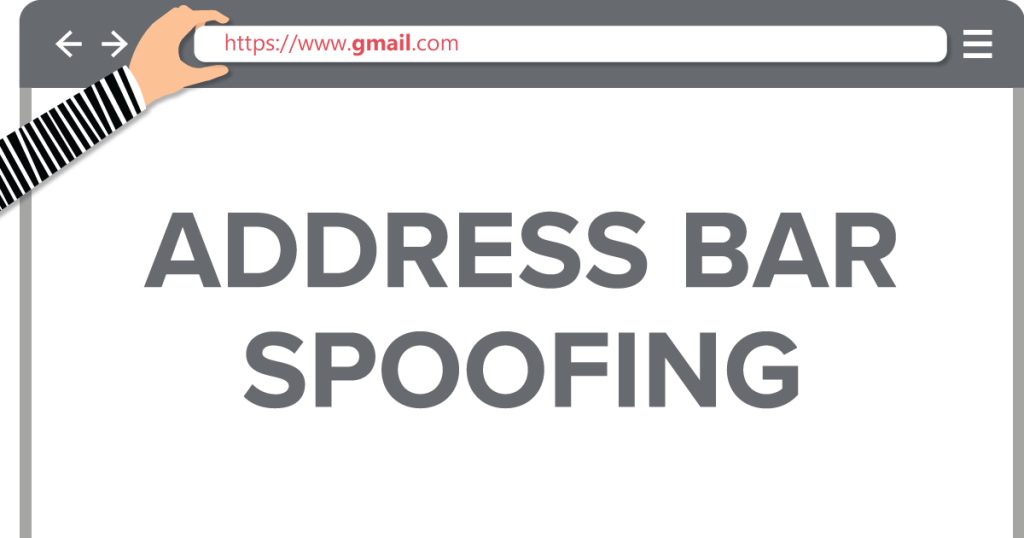
Fraudulent pages often use misspelled brand names, extra words, substitute characters, or unrelated domains. CISA warns that phishing sites can closely copy legitimate URLs while adding slight spelling changes.
Do not judge a site only by its top-level domain. Legitimate businesses can use newer domain extensions, and scammers can obtain ordinary .com addresses.
HTTPS and a padlock mean that the connection is encrypted. They do not prove that the business behind the page is honest. Type the known official address yourself, use a trusted bookmark, or open the service through its verified app listing.
Immediate CVV/CVC Requests Without Account Setup
Requesting a CVV early in the registration process is not automatically proof of phishing. Checkout designs differ, and some genuine services collect account and payment details on the same page.
The stronger warning sign is a mismatch between the request and the offer. Be cautious when the page demands card details without showing the plan name, renewal price, trial end date, billing frequency, merchant identity, or cancellation method.
Never provide an ATM PIN, online banking password, full authentication code, or remote access to your device. These are not standard requirements for an OTT trial.
Artificial Urgency Tactics
A countdown timer, claim that only a few accounts remain, or warning that the offer will disappear in minutes may be designed to prevent verification.
Urgency alone is not conclusive because legitimate promotions can have deadlines. The concern is greater when the timer resets after refreshing the page, the offer arrives through an unsolicited message, or the site discourages users from visiting the official service.
Broken or Missing Legal Footers
Review the terms, privacy notice, refund policy, company name, and customer-support details. A copied footer with broken links, unrelated business information, or vague cancellation instructions is a warning sign.
Working legal pages are not proof of legitimacy because scammers can copy them. Confirm the offer through the platform’s official support center rather than relying only on the page making the promotion.
Legitimate OTT Registration vs. Fake Free Trial Scam Pages
| Evaluation Criteria | Genuine OTT Platform | Fake Free Trial Scam Site |
|---|---|---|
| Web Address (URL) | Reached through the verified service, official app, or confirmed partner | Uses a copied brand, deceptive URL, unsolicited link, or unrelated merchant identity |
| Registration Workflow | Clearly identifies the service, selected plan, price, and account receiving access | Focuses on collecting payment data while providing little verifiable service information |
| Card Verification | May perform a temporary authorization or charge according to disclosed terms | Uses unexplained charges or falsely describes a paid transaction as free |
| Renewal Terms | States the trial duration, renewal price, billing frequency, and cancellation process | Hides the future price, uses vague wording, or makes cancellation difficult to locate |
| Data Requirements | Requests information relevant to account creation and payment | Requests banking credentials, PINs, one-time codes, identity documents, or unrelated personal data |
| Customer Support | Support details can be independently confirmed through the official service | Contact information is missing, copied, unreachable, or controlled by the same suspicious page |
A temporary card authorization is not always between $0.10 and $1, and it may not disappear immediately. Its amount and release time depend on the merchant, issuer, and payment network.
Emergency Action Plan: What to Do If You’ve Entered Your Card Details on a Fake Page
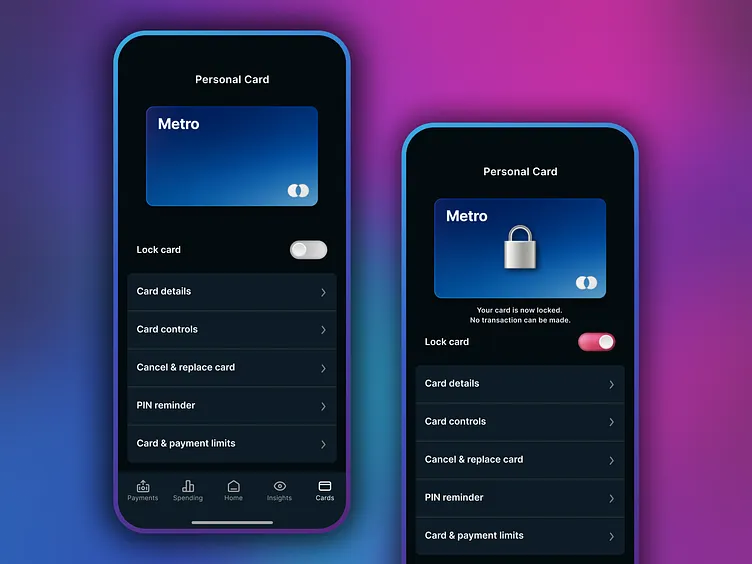
Lock Your Card Instantly via Mobile Banking
Use the card-lock control when it is available, but do not rely on it as the only response. A card lock may stop new purchases while allowing existing authorizations or recurring payments to continue. Chase, for example, states that its lock feature can permit recurring payments to go through.
Contact Bank Fraud Hotline
Contact the issuer immediately through the number printed on the card, the official banking app, or the bank’s verified website. Explain that the card number and security code were entered on a suspected phishing page.
Ask whether the card should be canceled and replaced. A replacement card is usually more appropriate than a temporary lock when the card details are known to be compromised.
Dispute Fraudulent Transactions (Chargeback)
Review posted and pending transactions and report anything you did not authorize. Do not wait for several charges to appear.
Dispute and refund rights depend on the country, payment method, and reporting time. In the United States, the CFPB advises credit card users to contact the issuer immediately and explains that written billing-error notices generally must be sent within 60 days of the statement containing the disputed charge.
A chargeback is a dispute process, not a guarantee that every payment will be recovered.
Update Account Passwords & Enable 2FA
Change every password entered on the fake page. Also change matching or reused passwords on other accounts, starting with email, banking, payment wallets, and mobile carrier accounts.
Sign out unknown sessions, review account-recovery details, and enable two-factor authentication. The FTC recommends replacing compromised passwords everywhere they were reused.
If you downloaded a file or installed an extension, update your security software and scan the device. If extensive identity information was submitted, review credit reports and consider a fraud alert or credit freeze where those services are available.
Practical Security Tips to Enjoy OTT Services Without Exposing Your Primary Card
Use Virtual Credit/Debit Cards Carefully: A virtual card replaces the physical card number presented to a merchant, which can reduce exposure of the main card number. It remains connected to a real account and can still be charged according to its settings. Not every issuer offers custom limits or single-use numbers.
Do not enter even a virtual card on a site already suspected of phishing. A low limit may restrict one type of loss, but the page can still steal passwords and personal information.
Subscribe Through Verified Channels: Start from the platform’s official website or verified application listing. App-store billing can centralize subscription management, but users must still examine the price and renewal terms. Google states that uninstalling an app does not cancel its subscription.
Use Supported Digital Wallets: Apple Pay does not share the full physical card number with the merchant; it provides a device account number and transaction-specific security information. A digital wallet reduces card-number exposure but does not confirm that an offer or merchant is legitimate.
Separate Browsing Activity Where Privacy Matters: How to Find a Legal Service for Watching an Overseas Movie That Is Not Available on Korean OTT Platforms can help keep cookies, saved logins, browsing history, and autofill information separate from everyday accounts. A separate profile does not protect a user who submits payment information to a fraudulent site.
Set a Trial Reminder: Record the renewal date and review the cancellation policy before registering. Do not assume that canceling immediately will always preserve access for the rest of the trial; the outcome depends on the service and offer terms.
A request for card details on a free-trial page is not automatically fraudulent. Many legitimate subscriptions require a payment method before access begins. The warning signs are an unverified domain, an offer that conflicts with the platform’s official information, hidden renewal terms, excessive data requests, and pressure to act without checking the source.
Core Rules to Remember:
- Open subscription offers through the service’s verified website or official application rather than an advertisement, message, or unfamiliar link.
- Read the trial period, renewal price, billing frequency, and cancellation terms before submitting payment information.
- Never provide an ATM PIN, banking password, one-time security code, or remote device access to activate a streaming trial.
When card information has been exposed, contact the issuer immediately, replace the card when advised, monitor transactions, and secure every account whose password may also have been compromised.